Saturday, July 18, 2026
Tending the Thirsty Soil
A reflection on how the struggle of blackcurrant farmers in a changing climate calls us to our ancient vocation of caring for creation and the soil of our own hearts.
For we know that the whole creation groans and labors with birth pangs together until now.
Romans 8:22
Then the Lord God took the man and put him in the garden of Eden to tend and keep it.
Genesis 2:15
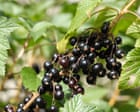
My dear ones, let us sit for a moment in the quiet of the evening and consider the fields. News comes to us today not of great wars or the shifting of empires, but of something small and familiar: the blackcurrant. We read that the bushes from which we get this simple, sweet fruit are struggling. An overly wet winter, then frosts, and now a scorching summer heat have left the plants stressed, the berries small or falling to the ground prematurely. The farmers, it is said, are resilient, but they are weary, noting that “every season now seems to bring a new challenge.”
In the quiet sigh of these farmers, and in the silent suffering of the scorched leaves, do we not hear a faint echo of the Apostle Paul’s words? “For we know that the whole creation groans and labors with birth pangs together until now.” The earth, which God in His love fashioned as a beautiful icon of His goodness, is in distress. The disharmony we see in the weather, the stress upon the land and its creatures, is a sorrowful wound. The small, dropped berries in an English field are like tears on the face of creation, reminding us that all is not right.
Our first calling, before the Fall, was to be gardeners. The Lord God placed Adam in the garden “to tend and keep it.” This was not a task of domination, but of gentle stewardship, of communion. It was a participation in the creative and life-giving work of God Himself. When we read of these growers now, investing not in defeat but in healing—researching how to enrich the soil with organic matter, how to help the bushes retain moisture and find strength—we see a quiet act of repentance. It is a turning back, however small, to that first vocation. They are seeking to tend and keep a small corner of the garden, to bring resilience and life back to the thirsty soil.
Here, the Church Fathers would remind us that the soil of the earth is an icon of the soil of our hearts. St. John Chrysostom often spoke of our souls in this way. Are our hearts not also often dry and scorched by the heat of passions, by anxiety, by the drought of prayerlessness? Do we not sometimes fail to bear the sweet fruit of the Spirit? The wisdom of the farmers is a lesson for us. They know they cannot simply command the bush to be fruitful; they must nurture it. They must enrich the soil, help it hold the life-giving water.
Let us take heart from their example. Let us not despair at the groaning of the world, or at the barrenness of our own hearts. Instead, let us become gardeners. Let us add the richness of prayer, the moisture of repentance, and the nutrients of the Holy Scriptures to our souls. Let us remember that Christ, the True Vine, is our source of life. By abiding in Him, we can find the resilience to withstand the challenging seasons of our lives. The farmers’ work is a sign of hope, a belief in the harvest to come. So too is our spiritual work a sign of our unshakeable hope in the mercy of God, who desires only to see His garden flourish once more.
Prayer
O Lord, our loving Creator, have mercy on Your creation in its distress. Grant strength and wisdom to all those who tend the earth, and help us to become faithful stewards of the garden of our own hearts, that we may bear good fruit for You. Amen.